A tractor is only as valuable as its implements and attachments. That’s where all the real work gets done — hay tools, tillage equipment, loaders, and more. For Kentucky and Indiana operators looking to build a lineup, the used market is an excellent way to save money on top quality equipment. At Wright Implement, we’re happy to offer a steady inventory for agricultural and residential work. Read on to learn what to look for when it comes to shopping used.
Find Your Local Wright Implement
Why Used Implements Make Sense
With fewer moving parts and simpler mechanical systems, many implements are pretty straightforward and easy to maintain. A disk harrow or a box blade that’s been taken care of will work reliably for decades. That long-term reliability makes it a great choice for purchasing used.
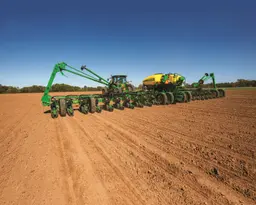
If you’re building out a complete equipment package, buying certain implements used will help to save some money to invest back into a higher-horsepower model or another attachment for your tractor. That means you’re stretching your budget without compromising capability. But buying used isn’t always a walk in the park — precision-dependent equipment like planters require a much closer inspection than a rotary cutter.
Where to Find Quality Used Implements in Kentucky and Indiana
Kentucky and Indiana have strong and active used equipment markets fed by farm auctions, trade-ins, estate sales, and more. When shopping through a certified John Deere dealer like Wright Implement, you can leave all of the quality inspection up to the professionals. That means all of the value with none of the risk of a private sale or the terms of a final auction sale.
Dealer trade-in inventory tends to be the more reliable option. When Wright Implement takes an implement in trade, our team evaluates its condition and service history. Understanding how a piece of equipment was used and maintained isn’t something you’ll reliably get from a private listing. For buyers who want to minimize risk, shopping from a dealer’s inventory is a safe first choice.
Browse Used Equipment at Wright Implement
Inspecting Hay Equipment
Kentucky and Indiana both run significant hay operations, and used hay equipment moves frequently through the market in both states. Hay tools take seasonal abuse and then sit for months, which creates specific wear patterns worth understanding before you buy.
On mower-conditioners, inspect the conditioning rolls or flails closely. Rubber rolls should be free of chunking and cracking. Steel conditioner tines should be intact and evenly worn. Check the cutterbar for bent or missing blades and look at the gearbox for leaks or play in the input shaft. On round balers, focus on belt or chain condition, pickup tines, and the net wrap or twine system. Baler repairs are among the more expensive in the hay equipment category — a unit with worn belts or a compromised pickup will need immediate investment after purchase.
Tedders and rakes are simpler and more forgiving, but tine condition and gearbox integrity still matter. Missing or bent tines won't ted hay uniformly, and replacing tines across a large rotor adds up faster than most buyers expect.
Tillage Equipment: What to Look For
Used tillage implements represent some of the best value in the used equipment market, and they're also among the easier purchases to evaluate. For disk harrows and field cultivators, the inspection focuses on wear parts — blades, sweeps, and shanks. These components get replaced routinely, and their condition tells you how hard the implement has worked and how recently it was serviced.
On disk equipment, check blade thickness and gang bolt torque. Worn blades are thin at the cutting edge and often cupped unevenly. Inspect disc bearings for rough rotation or play, and look at the toolbar frame for cracks at the weld joints — these can develop on implements that have worked rocky ground or heavy residue conditions common in Indiana corn country.
For chisel plows and rippers, shank condition and toolbar integrity matter most. These implements generate significant stress, and frame cracks aren't uncommon on heavily used equipment. Worn points and shovels are inexpensive to replace. A cracked toolbar is not.
Talk to a Wright Implement Equipment Specialist
Loader and Attachment Considerations
Attachments like front-end loaders, bale spears, and pallet forks see heavy daily use — that means they wear over time. When evaluating a used loader, inspect the lift and tilt cylinders for leaks and scoring. Check the bucket cutting edge for wear and look for cracks along the back panel, where stress concentrates during heavy loading work.
Loader mounting frames need a close look at the tractor mounting points and main upright welds. These are high-stress areas that develop fatigue cracks on loaders that have been worked hard. Confirm compatibility with your tractor model before purchasing — mismatched mounting systems are a common and costly mistake in the used market.
Matching Implements to Your Tractor's Capability
When shopping used, it’s important to understand your machine’s capacity. PTO horsepower requirements, three-point hitch category, rear hydraulic flow rates, and ballast needs are all important considerations when shopping for implements. An undersized tractor struggling with an oversized implement will wear both pieces of equipment faster — and work less efficiently.
Before finalizing any purchase, confirm the horsepower and hydraulic requirements against your tractor's specifications. It's a conversation worth having before the purchase, not after. Wright Implement's team can help you work through the compatibility questions.
Building a Smart Equipment Package
Kentucky and Indiana farmers who approach the used implement market with clear criteria, a willingness to inspect carefully, and a relationship with a knowledgeable dealer consistently come out ahead. The goal isn't to buy cheap — it's to buy well. A used implement in solid condition with documented history is almost always a better investment than a lower-priced private sale unit with unknown hours and questionable maintenance. Build your equipment package thoughtfully, match your implements to your operation's real needs, and you'll put together a lineup that works without the surprises that come from skipping the evaluation.
Contact Wright Implement Now

.svg)
.svg)
.svg)
.svg)

.svg)
.svg)
.svg)
.svg)
.svg)
.svg)