Kentucky's spring planting window doesn't wait. When soil temperatures rise and field conditions finally cooperate after a wet March or a late cold snap, you need to be ready to move — not troubleshooting a planter that's been sitting in the shed since last May. A thorough pre-season equipment inspection in late winter is one of the highest-return investments a Kentucky farmer can make. A few hours of attention now prevents the kind of breakdowns that cost you days during the narrow windows that define a successful planting season.
Find Your Local Wright Implement
Start With Your Tractor
The tractor comes first. Start with fluids — engine oil, coolant, hydraulic fluid, and transmission oil — checking both level and condition. If the machine sat through winter, look closely at the hydraulic system for water contamination. Temperature swings cause condensation inside the reservoir over months of storage, and that water doesn't announce itself.
Belts and hoses degrade whether the machine runs or not — heat cycles and age do the work regardless. Run your hands along them and look for cracking, softening, or wear where they contact pulleys and clamps. A belt that looks marginal in March will likely fail in May, at the worst possible time. The air filter and pre-cleaner are worth pulling and inspecting too. Spring fieldwork in Kentucky kicks up a lot of dust, and a clogged filter quietly costs you power before it causes anything obvious.
Finish with grease. Work through every fitting listed in your operator's manual, and give extra attention to the loader pivot points, three-point hitch arms, and any PTO components that are about to see regular use. It takes twenty minutes and saves much longer repairs later.
Browse John Deere Tractors
Planter Inspection: Where Attention Pays Off
A planter that was fine last May may not be fine this May. The parts that control seed placement wear gradually, so problems rarely show up as obvious failures — they show up in yield data that's quietly worse than it should have been. Pull it out and go row by row before it gets near the field.
Look at the seed discs and row cleaners first. A chipped or worn disc doesn't meter consistently — you get skips, you get doubles, and the stand suffers before the seed is even covered. Closing wheels need to be checked for wear and tension, particularly given how much Kentucky soils vary. The heavy clay in the Pennyroyal behaves nothing like the sandier profiles along the river bottoms.
Down-force springs and airbag systems lose calibration over time — check them and replace anything sagging. Then work through the smaller components: seed tubes, finger pickups, brush seals, seed firmers, row unit bearings, chain drives. These parts are cheap relative to what inconsistent population costs across a full season. Do it now, while the planter is on the shop floor and every row unit is within arm's reach.
Talk to a Wright Implement Parts Specialist
Tillage Equipment Check
Tillage equipment takes more abuse than most, and worn components don't just underperform — they pull harder, leave a rougher seedbed, and can do more soil damage than equipment that's been maintained. Whatever you're running, go through blades, sweeps, and shanks before the season starts.
On disk equipment, check gang bolt torque. These loosen over a full season of hard use and the consequence of ignoring them is bearing failure. Coulter blades need a close look too — not just for wear but for cracks. Kentucky's older ground hides rocks and buried debris, and a cracked coulter in that kind of field is a problem waiting on a specific moment to get worse.
Grease all disc bearings and depth-control wheels, then run your toolbar hydraulics through a full cycle. Drift or hesitation there is worth diagnosing now rather than at the edge of a field in April.
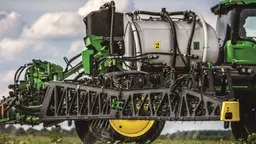
Sprayer and Fertilizer Application Equipment
If your sprayer wasn't properly winterized, flush it before anything else. Residual chemical sitting in lines and nozzle bodies over winter corrodes components and throws off application rates in ways that aren't always obvious until you're already across a field. Check nozzle tips with a catch test — a worn tip flowing well above rated output will skew your rates, and on chemistries with strict label requirements that becomes a compliance problem, not just an agronomic one.
Dry fertilizer equipment needs its own attention. Fertilizer is corrosive and doesn't forgive storage in dirty equipment — metering components and agitators take the worst of it. Check spinner blades and deflectors for uneven wear. A degraded spread pattern is one of those problems that doesn't show up until late in the season when you're trying to figure out why certain areas of a field aren't responding the way they should.
Browse Frontier Implements and Attachments
Don't Wait on Parts
If you find something worn or questionable during your inspection, order the part now. Supply chains tighten fast once planting season hits — components that ship in three days in January can take much longer in April when every operation in the state is trying to go at the same time.
Wright Implement stocks the parts that see the most demand during Kentucky's planting window. If you're not sure what to order, our parts team can help you work through wear items before they turn into emergency calls.
Be Ready When the Season Is
Spring in Kentucky doesn't negotiate. A late frost, a wet stretch, or a dry window that shuts early can compress your planting season to a matter of days. When that window opens, the gap between operations that are prepared—and those that aren’t—shows up fast.
Prepping your equipment for the season isn’t the real work, it’s what makes the work possible. Contact your local Wright Implement to learn more about spring planter prep today!
Contact Wright Implement Now

.svg)
.svg)
.svg)
.svg)


.svg)
.svg)
.svg)
.svg)
.svg)
.svg)